Fashion Feng Shui® for Leaders and Teams: The Organizational Power of the Five Elements

Most leadership problems aren't strategy problems.
They're identity problems.
The leader who can't figure out why their team doesn't trust them. The executive whose communication style lands differently than they intend. The high-performing individual who gets promoted into leadership and suddenly feels like a stranger in their own role.
These aren't competency gaps. It’s about alignment.
And alignment always begins in the same place: knowing who you are.
This Is What Fashion Feng Shui® Was Built For
Long before it became known as a transformational approach to personal style, the Five Elements framework at the heart of Fashion Feng Shui® was always a system for self-knowledge.
Water. Wood. Fire. Earth. Metal.
These are energetic blueprints for how you think, how you communicate, how you process pressure, what you need to feel grounded, and where your natural genius lives. They explain why certain environments light you up and others quietly drain you. Why some relationships feel effortless and others require constant translation.
That is not styling advice. That is a leadership map.
I've spent more than 30 years working alongside and inside organizations as a labor and employment attorney, HR executive, professor, and now as a leadership consultant and executive coach. Throughout my years of examining organizational structures through multiple lenses, I kept seeing the same gap. I've seen technically skilled leaders who were fundamentally misaligned with themselves. Teams that were talented on paper but couldn't seem to get out of their own way.
The Five Elements framework gave me a language for what I was seeing. And it pointed me toward something I knew had to be built.
Work Your Element: Taking the Framework Professional
As a Fashion Feng Shui® Master Facilitator, I co-created Work Your Element to bring the power of elemental intelligence directly into professional life.
Work Your Element translates your elemental energy into your leadership identity. It surfaces your natural communication style, your instinctive approach to decision-making, your relationship with conflict, and your particular way of building trust. It reveals not just your strengths, but the shadow side of those strengths, the edges that show up under pressure and shape how others experience you as a leader.
This is self-awareness with organizational precision. And it was the beginning of something larger.
The Evolution: A Leadership Methodology Rooted in Ancient Wisdom
Work Your Element gave leaders a new lens. What I've built on top of it goes further.
As a doctorally prepared researcher, part of my training, and obligation, is to advance existing frameworks by finding new applications and expanding their reach. That's how theory stays relevant and research grows. Becoming a Fashion Feng Shui® Master also required making an original contribution to this body of work. Mine was taking the elemental framework into organizational leadership.
My Leadership Archetype™ framework represents the integration of three powerful traditions: Jungian analytical psychology, the ancient wisdom of feng shui's Five Elements, and modern identity development theory.
From Jung comes the understanding that every leader carries both conscious strengths and shadow qualities, and that genuine leadership presence requires integrating both, not performing around them. From five thousand years of feng shui wisdom comes the structural understanding of how energy flows through personalities and environments, and what happens when leaders align with their natural patterns rather than resist them. From identity development research comes the recognition that leadership identity is not fixed, it evolves through stages of exploration and commitment that can be understood, supported, and accelerated.
Together, these traditions produce something that goes well beyond what most leadership assessments offer.
This is deeper than a simple personality quiz. It’s a theoretically grounded, organizationally tested framework for understanding how leaders think, communicate, and show up, and for building teams that work with those differences rather than around them.
What This Makes Possible in Teams
When elemental intelligence moves from the individual into the team, the entire system shifts.
Leaders stop misreading each other. The colleague who seems scattered is suddenly understood as someone whose energy moves fast and sees what others can't yet see. The one who seems slow to decide is recognized as someone building consensus that will make the decision stick. The one who seems cold in a crisis is seen as the precision anchor the team depends on.
When people understand the elemental language, they stop assigning character flaws to style differences. And when that stops, something remarkable becomes possible: people feel genuinely seen, valued, and heard, not as a cultural aspiration, but as a daily operating reality.
The measurable outcomes follow. Clearer communication. Stronger psychological safety. Leaders whose visibility matches their actual impact. Teams where diverse strengths are recognized as an asset rather than managed as friction.
This is what organizations are looking for when they invest in DISC, Hogan, EQi, or any other assessment framework. The difference here is that the elemental approach reaches deeper, into identity itself, which is where sustainable change actually lives.
This Work Requires a Practitioner
Because this framework works at the level of identity, it requires more than a self-assessment and a debrief. It requires a certified, trained practitioner who can hold the depth of this work and guide individuals and teams through it with skill.
That means this isn't something you can download, administer, and forget. It's an investment in real development, and the results reflect that distinction.
If you've experienced the power of Fashion Feng Shui® personally and found yourself thinking my team needs this, or if you're a leader or HR professional looking for a framework that goes deeper than the usual toolkit, or if you're a FFS Facilitator looking to expand your knowledge and application of this work, I'd love to talk.
The application of this work in organizational and team contexts is one of the most powerful things I do. And it begins, as everything does, with understanding who you are.
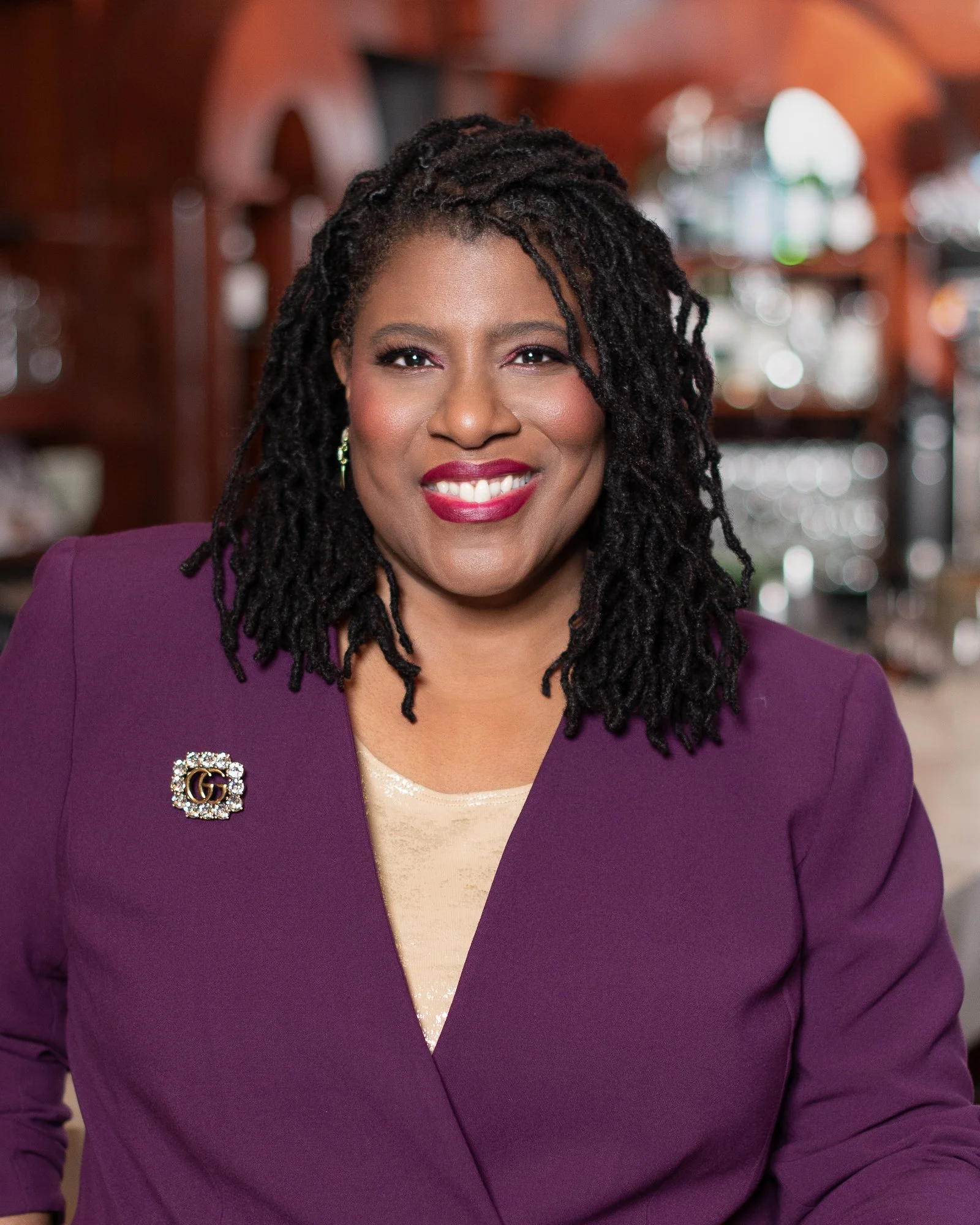
Carol Parker Walsh, JD, PhD | Fashion Feng Shui® Master Facilitator | Vancouver, WA | www.carolparkerwalsh.com